
Adjusting to Civilian Life After Military Service | AmFi Life
Transitioning from military to civilian life is a profound journey marked by a myriad of challenges and opportunities. This transition entails far more than simply shedding a uniform; it involves navigating the complex terrain of adapting to civilian existence. Veterans must grapple with issues such as post-traumatic stress disorder (PTSD) while simultaneously tackling practical matters like establishing essential services needed to succeed and searching for a new career.
Moreover, they must learn to acclimate to a pace of life that is fundamentally different from the structured and regimented environment of the military. Life after the military necessitates resilience, support, and a thoughtful approach to ensure veterans can successfully thrive in their new civilian roles. This article aims to help veterans and their families understand the challenges of transitioning to civilian life, how to prepare for it, and available resources.
Understanding the Common Challenges of Transitioning Back to Civilian Life
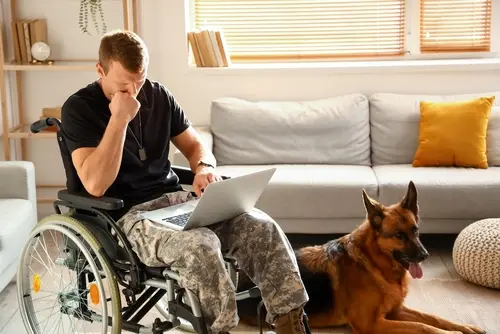
While many unforeseen challenges may arise during the transition from military to civilian life, the most common are self-regulation, emotional upheaval, and coping with trauma.
Military Transition Re-adjustments
Transitioning back to civilian life can be an exceptionally challenging process for veterans and military families due to several significant differences between military and civilian lifestyles. In the military, service members typically adhere to a structured and regimented schedule, which provides a sense of purpose and predictability. They receive a steady paycheck and have their fundamental needs, such as food, housing, and healthcare, provided for by the military. This abrupt shift from a highly organized and communal environment to civilian life can be jarring and disorienting for many veterans. Finding new ways of creating structure is one of the common challenges many veterans face as they return to civilian life.
Another critical aspect of this transition is the emotional upheaval that veterans often experience. The decision fatigue that comes with suddenly having to make a multitude of choices, from where to live and work to managing finances and healthcare, can be overwhelming. Veterans must recognize the emotional toll this can take and seek support from family, friends, and professional resources. Counseling and peer support groups can help them cope with the challenges of decision-making and emotional adjustment, providing a vital lifeline during this transition.
Mental Health Issues and Mental Health Services
Emotional trauma can also carry over into civilian life after military service, whether it be related to combat experiences, loss of comrades, or other traumatic events. Coping with the psychological effects of this trauma and any corresponding mental health issues is a central component of transitioning to civilian life. Fortunately, there are resources available to help veterans address these emotional wounds. Mental health services, such as therapy and counseling, are invaluable tools for processing traumatic events, addressing mental health disorders, and building resilience.
Additionally, support networks within the veteran community and advocacy organizations can provide a sense of belonging and understanding, making it easier for veterans to navigate the emotional challenges and mental health problems they face as they reintegrate into civilian life and the larger social community. Recognizing the importance of seeking help and accessing these resources is a vital step toward a successful transition from military to civilian life.
Preparing for a Successful Military to Civilian Life Transition
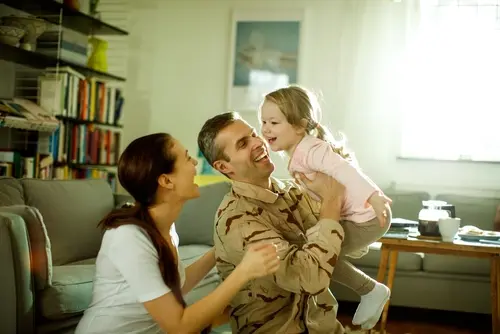
Careful planning and setting realistic expectations are important for veterans transitioning to civilian life when it comes to helping them anticipate and overcome challenges. This approach ensures a smoother, more successful transition by preemptively addressing issues like adjusting to a different lifestyle, employment, making social connections, continuing education, and establishing basic services.
Adjusting to a Different Pace of Life
Transitioning from a structured military life to a more fluid civilian existence presents veterans with a significant adjustment challenge. In the military, rigid schedules govern daily routines, making the civilian world’s flexibility and autonomy seem unfamiliar.
To adapt to life after the military, veterans should create a new life structure, engaging in hobbies and activities that help rediscover their identities. They must also acclimate to the pace of civilian workplaces, potentially requiring them to embrace concepts like lunch breaks and flexible hours. Additionally, dealing with the absence of a tight-knit military team can be emotionally taxing on veterans, necessitating the cultivation of new support networks and connections to facilitate a successful transition.
Reconnecting with Family and Friends
Reconnecting with family and friends can be both heartening and challenging for veterans. Upon returning home, veterans may find that their families have adopted new routines and dynamics that they may not initially fit into, making them feel disconnected. Moreover, veterans may lack a robust support system outside of the military, leading to feelings of isolation and loneliness. The absence of the camaraderie experienced during service can be particularly difficult to replace.
To navigate this period of change, both veterans and their families can benefit from open and empathetic communication. Encouraging veterans to express their thoughts and feelings while ensuring family members actively listen without judgment is crucial. Seeking professional counseling services can provide a safe space for these conversations and aid in managing the adjustment process that veterans face.
Family members should also consider engaging in activities together that help rebuild bonds and establish new routines that accommodate the veteran’s needs and comfort. By working together, families can create a supportive and understanding environment that eases the challenges of the transition and fosters stronger relationships. Patience, empathy, and a willingness to adapt are essential elements in successfully reconnecting with loved ones during this time.
Civilian Employment: Entering the Workforce
Returning to a civilian desk job can be a significant adjustment for many veterans, regardless of their service background. Adjusting to the differences in workplace culture and expectations can be challenging, but it is crucial for a smooth transition.
The first challenge veterans must face is honing practical skills such as building resumes, cover letters, and interview skills that cater to civilian employers. These skills can be learned through workshops and seminars hosted by the Department of Defense’s Transition Assistance Program (TAP) or other online resources such as Indeed. Friends and family members can also be a resource when practicing interview questions.
Navigating the job market can be another hurdle when re-entering the civilian workforce. Veterans should leverage their unique skills and experiences from the military to identify job opportunities that align with their strengths. Networking within the veteran community and reaching out to organizations that prioritize hiring veterans, like USAJOBS.gov, can open doors to meaningful career opportunities.
Higher Education Opportunities
The DoD’s Transition Assistance Program can also help you develop new skills and credentials that could make civilian employment easier by providing some financial support for vocational training or higher education opportunities. This can open doors well beyond whatever your previous job was.
Financial Planning
Financial planning and management are also critical aspects of civilian life. Veterans should prioritize financial literacy and create a budget to ensure financial stability. This includes managing expenses and saving for the future. Seeking guidance from financial advisors, veterans’ support organizations, or family and friends can be invaluable in this regard.
Establishing Services
Veterans transitioning to civilian life must establish essential services such as dental and medical care and switch to a new life insurance policy. Finding suitable healthcare providers and insurance plans is vital to ensure their well-being and financial security. It is during this stage of transitioning that many veterans consider changing their Servicemembers’ Group Life Insurance (SGLI) policy to a permanent insurance policy, such as whole life.
At AmFi, our Universal Life insurance policy provides a death benefit with a tax-free cash accumulation that grows at a guaranteed interest rate and can be used at the policyholder’s discretion, maximizing financial opportunity. A permanent policy provides ongoing coverage throughout a veteran’s life and will help safeguard their family’s financial future while they navigate the complexities of civilian life.
Tips to Cope with the Transition Process

Coping with the military transition to civilian life can be challenging, so we put together practical tips that can help veterans navigate this transition successfully.
Networking and Resume Building: Reach out to veterans’ organizations, attend job fairs, and leverage online platforms like LinkedIn to connect with professionals in your desired field. Tailor your resume to highlight your military skills and experiences in a way that resonates with civilian employers.
Interview Techniques: Prepare for interviews by practicing common questions and articulating how your military background translates to civilian roles. Confidence in interviews often comes from preparation. Indeed has great resources with tips on how to make a lasting impression in an interview.
Establish a Support System: Build a strong support network of family, friends, and fellow veterans who can provide emotional support and guidance during the transition. Share your concerns and experiences with them.
Healthy Routines: Create healthy daily routines that include exercise, proper nutrition, and adequate sleep. These habits can contribute significantly to mental and physical well-being during the transition.
Set Realistic Goals: Define clear, achievable goals for your post-military life, whether in terms of employment, education, or personal growth. Setting objectives provides a sense of purpose and direction.
Veteran-Specific Services and Resources
There are numerous online resources and services available that have the goal of helping veterans during their military transition to civilian life. Below are a few that stand out:
Military-Transition Org: This website helps veterans, service members, and their families understand the transition process
U.S. Department of Veteran Affairs: The VA’s website is overflowing with information and resources regarding veteran benefits, resources, and support opportunities
Veterans Employment Toolkit: This is a toolkit provided by the VA that aims to help veterans find meaningful employment
Military Times: Military Times is a news source that helps service members and veterans stay informed about topics like education, transitioning, benefits, and more
DoD Transition Assistance Program: The Department of Defence offers a Transition Assistance Program for veterans that connects veterans with workshops, seminars, and other resources to teach them skills that will help them transition to civilian life.
Indeed for Military: Indeed offers veterans tips and tricks for interviewing, building resumes, and finding careers that match their military experience
The military transition to civilian life is a profound transformation that demands careful consideration, resilience, and adaptability. Preparation through practical skills development, setting realistic expectations, and establishing a support system are essential for a successful transition.
As veterans navigate the significant journey of transitioning into civilian life, which encompasses entering the workforce, managing finances, and establishing essential services, it’s vital to remember that support is available. American Fidelity Life Insurance is committed to assisting veterans as they move into their post-military lives. A key consideration as your military service concludes is the potential conversion of your Servicemembers’ Group Life Insurance (SGLI) to a Veterans’ Group Life Insurance (VGLI) policy. Contact us today to learn how we can help you in this transition and to explore whether a VGLI policy is the right choice for you.